

Applying tiles on a damp wall may look like a quick aesthetic fix, but it can lead to serious long-term structural and maintenance issues. Many property owners try to cover dampness instead of treating the root cause—this often worsens the problem over time.
In this blog, we’ll explain what really happens when tiles are installed on damp walls, the risks involved, and the correct Structural Audit solution approach.
Understanding Damp Walls
A damp wall is caused by moisture ingress due to:
- Water leakage from pipes or external walls
- Poor waterproofing
- Rising damp from the ground
- Cracks in the structure
- Terrace or bathroom seepage
If not treated properly, moisture continues to move inside the wall even after tiling.
What Happens When Tiles Are Applied on Damp Walls?
1. Loss of Adhesion (Tiles Start Falling)
Moisture weakens the bond between:
- Wall surface
- Tile adhesive
- Tiles
Over time, tiles may:
- Loosen
- Crack
- Fall off completely
This creates safety hazards, especially in bathrooms and external walls.
2. Trapped Moisture Inside the Wall
Tiles act as a barrier. When installed over damp surfaces:
- Moisture gets trapped inside
- No proper evaporation happens
- Dampness spreads further inside the wall
This can worsen structural deterioration.
3. Growth of Mold and Fungus
Trapped moisture creates an ideal environment for:
- Mold
- Fungus
- Bacteria
This can lead to:
- Bad odor
- Health issues (allergies, respiratory problems)
4.Efflorescence (White Powder Formation)
oisture carries salts to the surface:
- These salts accumulate behind tiles
- Over time, they push tiles outward
- Visible white patches may appear near joints
5. Structural Damage Over Time
Continuous moisture can:
- Corrode steel reinforcement
- Weaken plaster and concrete
- Cause cracks and spalling
This is a serious concern for building safety.
6. Increased Maintenance Costs
Instead of solving the issue, tiling over dampness leads to:
- Frequent repairs
- Tile replacement
- Waterproofing rework
Ultimately, costs become much higher than proper treatment
Correct Approach Before Tiling
Before installing tiles, always:
✔ Identify the Source of Dampness
- Leakage
- External seepage
- Plumbing issues
- Structural cracks
✔ Fix the Root Cause
- Waterproofing treatment
- Crack repair
- Plumbing correction
✔ Allow Proper Drying Time
- Ensure wall moisture levels are reduced
- Use professional drying methods if required
✔ Use Proper Materials
- Waterproof tile adhesive
- Damp-resistant coatings
Professional Recommendation
Never treat dampness as a surface problem. It is a structural and waterproofing issue that needs expert inspection and proper engineering solutions.
Frequently Asked Questions (FAQ)
1. Can tiles stop dampness?
No. Tiles only cover the surface—they do not stop moisture. Dampness will continue behind the tiles.
2. Is it safe to install tiles on a slightly damp wall?
No. Even minor moisture can weaken tile bonding and cause future failure.
3. Why do tiles fall off after some time?
Because moisture breaks the adhesive bond and creates pressure from inside the wall.
4. What is the best solution for damp walls?
- Identify the source
- Apply proper waterproofing
- Repair cracks
- Then proceed with tiling
5. Can waterproof adhesive solve the problem?
It helps, but it is not a complete solution. Root cause treatment is mandatory.
6. How long should I wait before tiling after waterproofing?
Typically 7–14 days, depending on the treatment and drying conditions.
7. Is this issue common in old buildings?
Yes, especially in buildings with poor maintenance, aging waterproofing systems, or structural cracks.
About Aavishkaar Consultants
Aavishkaar Consultants – Trusted Experts in Structural Engineering
Keeping your building safe, strong, and future-ready starts with the right professionals by your side. At Aavishkaar Consultants, we provide comprehensive solutions designed to protect the structural health and long-term durability of your property.
Our Key Services:
✔ Structural Audits
✔ Project Management Services (PMC)
✔ Building Repairs & Redevelopment Support
From identifying structural issues to managing full-scale repair or redevelopment projects, our team ensures your building receives the precise care it needs.
📞 Contact: 9819845747
🌐 Website: www.structuralauditor.in

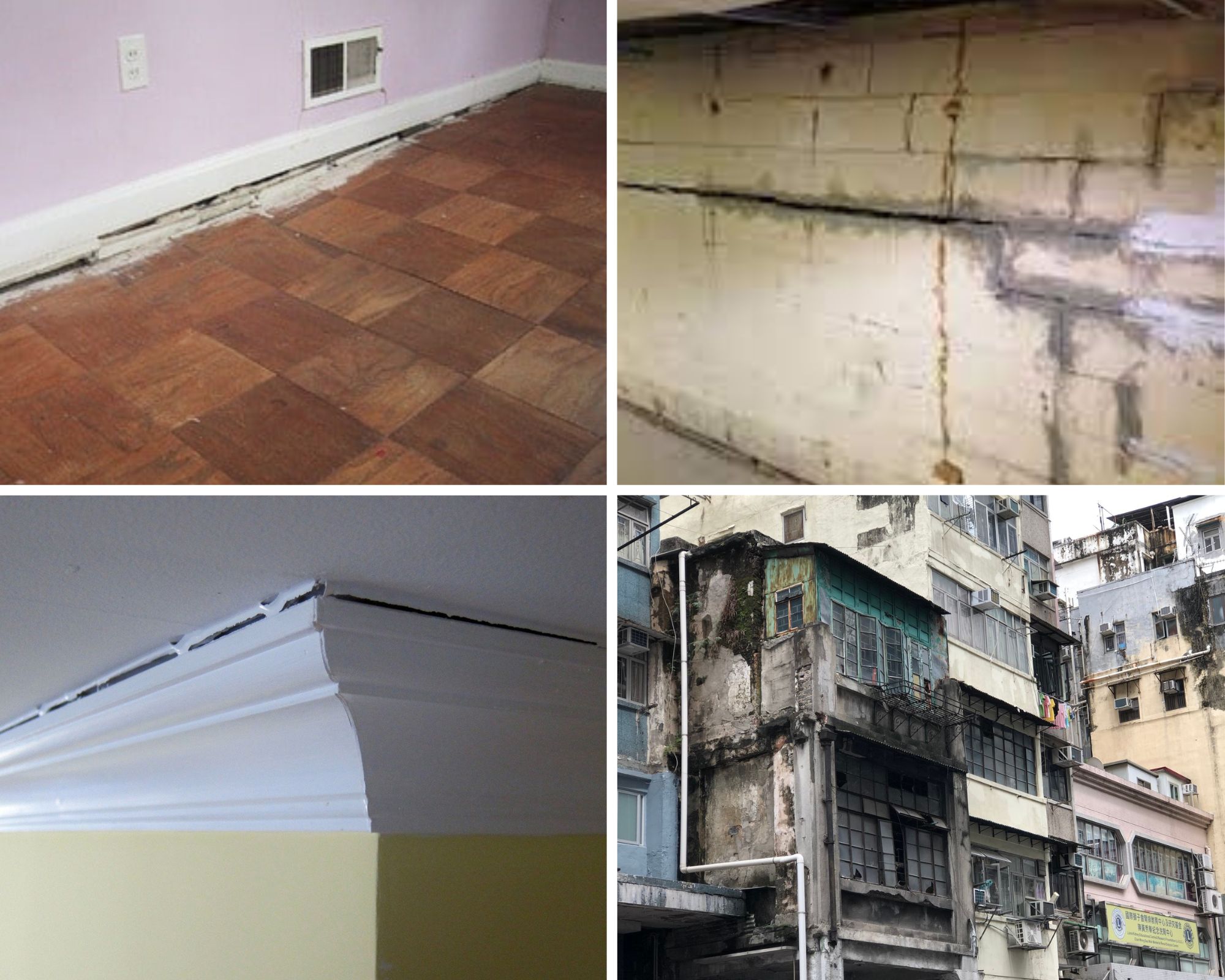
Great read, Aavishkaar. This highlights exactly why a proper structural audit is crucial before starting any cosmetic upgrades. Tiling over a damp wall is just a band-aid solution that masks the underlying seepage. Eventually, the trapped moisture will compromise both the tile adhesive and the wall’s integrity. It’s always better to address the root cause first rather than going for a quick aesthetic fix!